
In wastewater treatment projects, most attention is usually given to treatment capacity, removal efficiency, and operating costs. However, in many real-world applications—especially in coastal and tropical regions—corrosion often becomes one of the biggest long-term operational challenges.
Many wastewater treatment facilities operate in environments with high humidity, salty air, and continuous chemical exposure. Under these conditions, standard equipment may corrode much faster than expected. As a result, corrosion resistance is becoming increasingly important in industrial wastewater treatment projects around the world.
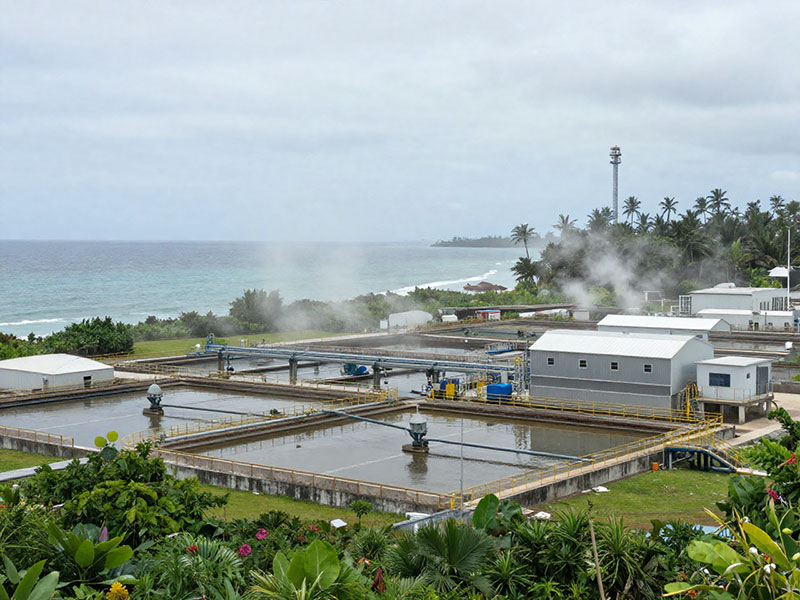
For facilities located near coastal areas, corrosion is not an occasional issue but part of daily operation.
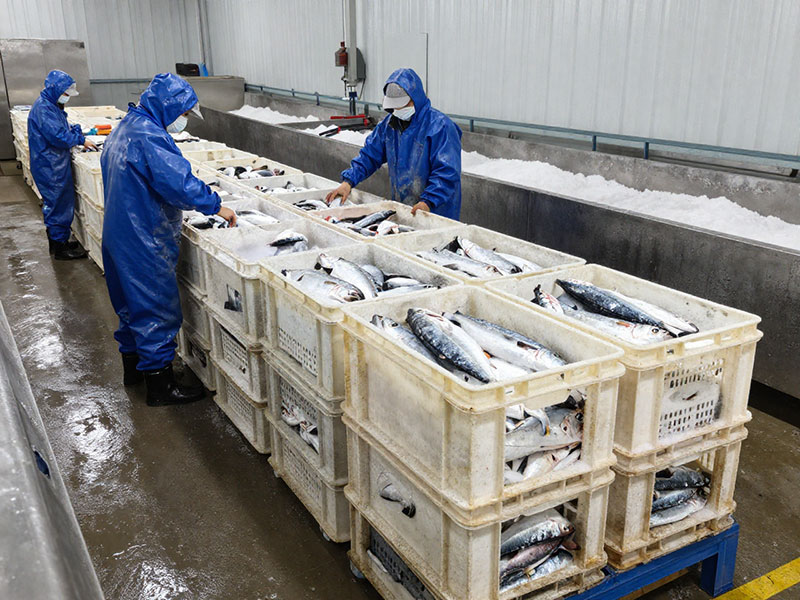
Seafood processing plants are a typical example. Salt, grease, sludge, and constantly damp working conditions create an extremely aggressive environment for wastewater equipment. In some cases, conventionally coated systems may begin showing visible rust after only a few years of operation.
Similar problems are common in coastal slaughterhouses, food processing plants, chemical facilities, and municipal wastewater treatment stations.
Why Standard DAF Systems Often Struggle in Harsh Environments
Many low-cost DAF systems rely mainly on basic paint coatings for protection. While this may be sufficient in dry inland areas, it is often inadequate for coastal or high-humidity environments.
Once corrosion begins, several issues can quickly follow:
- coating failure,
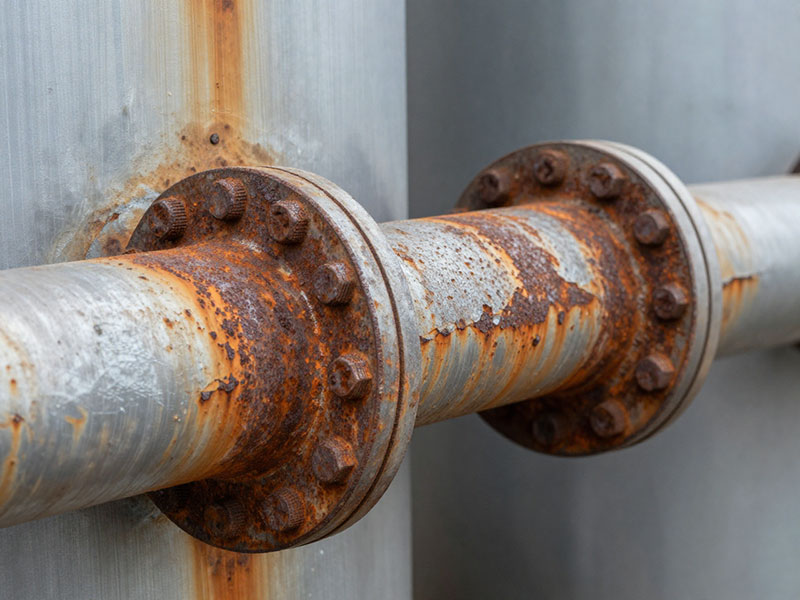
- rust spreading inside tanks and pipelines,
- corroded bolts and fittings,
- increased downtime,
- and unstable system operation.
Over time, maintenance expenses rise significantly. In severe cases, some components may fail long before the expected service life. For plant operators, this means more than repair costs alone. Frequent downtime can also affect production schedules and environmental compliance.
What Makes Corrosion-Resistant DAF Systems Different?
Corrosion-resistant DAF systems are specifically designed for harsh operating conditions where standard equipment cannot maintain long-term reliability.
Instead of relying only on conventional paint protection, these systems typically incorporate multiple corrosion-resistant solutions, including:
- stainless steel structures,
- heavy-duty epoxy coatings,
- hot-dip galvanization,
- and FRP components for chemical-contact sections.
The goal is not simply to improve appearance, but to ensure stable operation after years of continuous exposure to wastewater, humidity, and corrosive substances.
For many facilities, the biggest advantage is lower long-term maintenance requirements and improved operational reliability.
Long-Term Reliability Is Becoming More Important
In the past, many buyers focused mainly on the initial purchase price. Today, more wastewater treatment projects are evaluating the total lifecycle cost of equipment.
Although lower-priced systems may reduce upfront investment, corrosion-related failures often result in much higher long-term costs, including:
- repairs,
- spare parts,
- labor,
- production downtime,
- and reduced treatment efficiency.
Because of this, many industrial users now prefer wastewater treatment equipment that can operate reliably for years with minimal maintenance.
This trend is especially noticeable in industries such as:
- seafood processing,
- food manufacturing,
- chemical wastewater treatment,
- coastal industrial parks,
- and municipal projects in tropical regions.
Growing Demand for Corrosion-Resistant Wastewater Equipment
In regions with humid climates and demanding environmental conditions, demand for corrosion-resistant DAF systems continues to grow steadily.
Countries across Southeast Asia, Latin America, and the Middle East are investing heavily in wastewater infrastructure, particularly for industries producing high-organic or oily wastewater.
As more project owners experience corrosion problems with conventional equipment, buyers are paying closer attention to:
- material quality,
- coating performance,
- equipment lifespan,
- and long-term operating stability.
Corrosion-resistant DAF systems are no longer viewed as a premium option limited to specialized projects. In many coastal and high-humidity applications, they are gradually becoming a standard requirement.
As global environmental regulations continue to tighten, durable and corrosion-resistant wastewater treatment systems will play an increasingly important role in sustainable industrial water management.