
Categories
Message
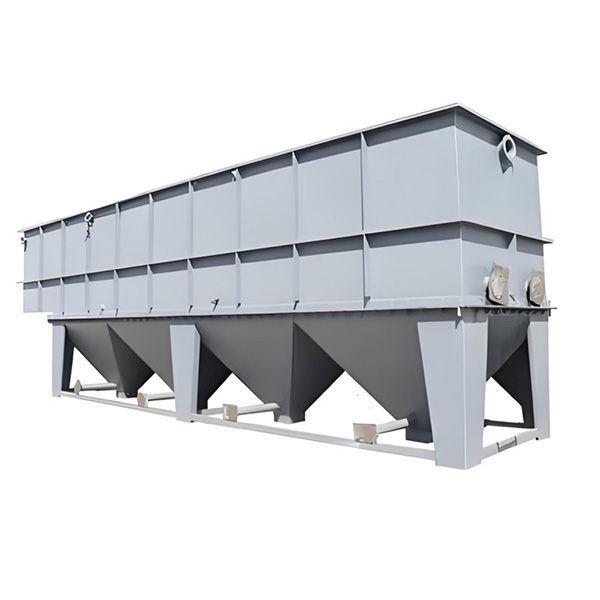
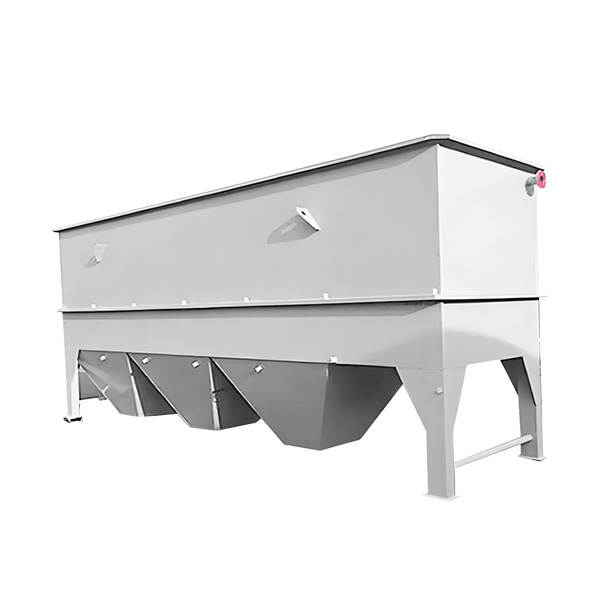
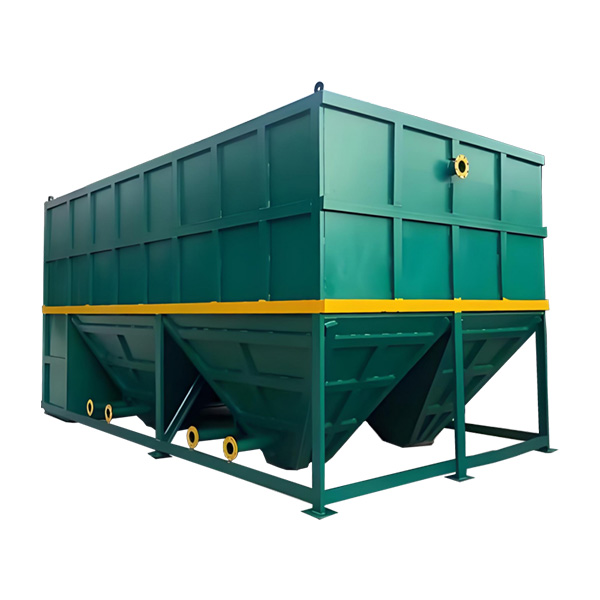
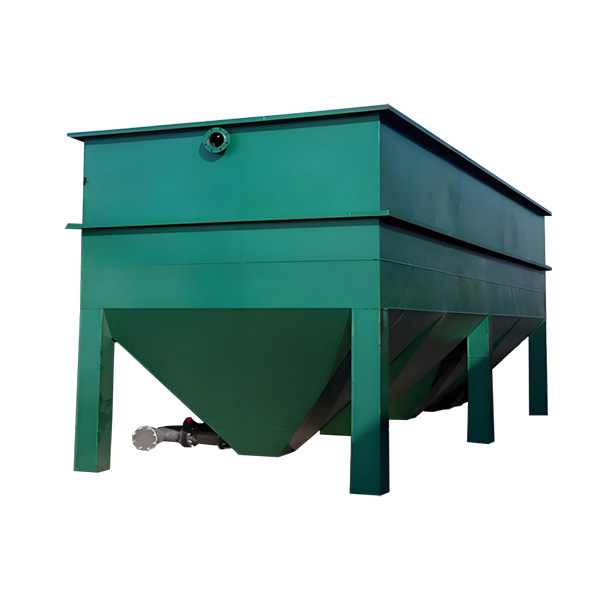
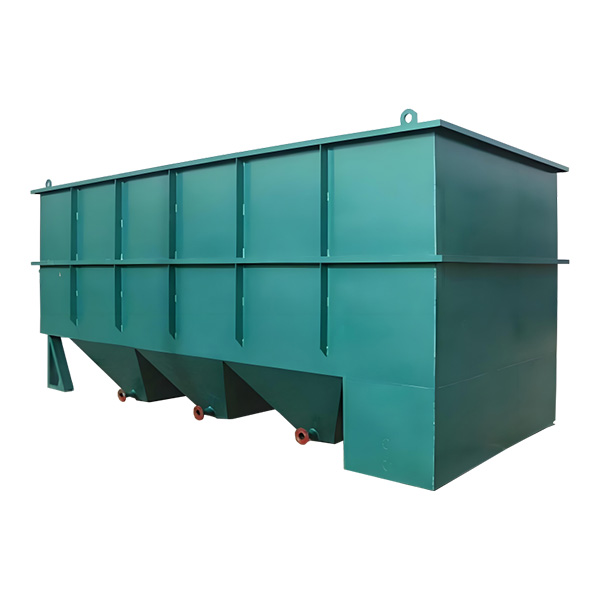
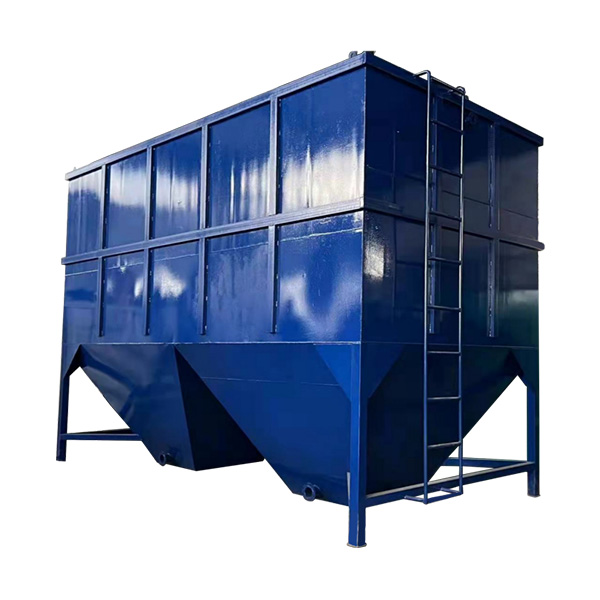
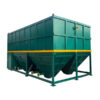
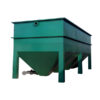
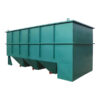
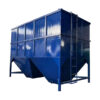
Lamella clarifier
Products Description
Overview
The lamella plate clarifier is a high-efficiency solid-liquid separation device improved based on the shallow tank sedimentation theory. Its core design is to install parallel inclined thin plate assemblies inside the tank, which shortens the sedimentation path of suspended particles and improves sedimentation efficiency. It is commonly used in the pretreatment, advanced treatment of wastewater treatment and water purification processes.
Working Principle
The water to be treated enters from the lower part of the inclined plates and flows upward along the channels between the plates. Under the action of gravity, suspended particles in the water settle to the surface of the inclined plates. The deposited sludge slides down to the sludge hopper at the bottom of the tank under the action of gravity and water flow thrust, and is discharged through the sludge discharge system. The clarified water is collected and flows out from the water outlet area at the upper part of the inclined plates, completing the mud-water separation. The inclination angle of the inclined plates is usually 50°-60°, which is to ensure that the sludge slides down smoothly and avoid blockage.
Key Components
The device is composed of five main parts, each with a specific function to ensure the stable operation of the sedimentation process:
- Water Inlet Area: It needs to distribute water evenly to prevent water flow from disturbing the stable flow pattern in the inclined plate area.
- Inclined Plate Area: The plates are usually made of polypropylene (PP) or fiberglass reinforced plastic (FRP), with a plate spacing of 50-150mm.
- Water Outlet Area: Perforated water collection pipes or triangular weirs are used to ensure uniform water outlet.
- Sludge Hopper: It is used to collect the settled sludge.
- Sludge Discharge System: It can adopt gravity sludge discharge or mechanical sludge discharge, and the discharge frequency is adjusted according to the sludge concentration.
Core Features
- High Efficiency & Energy Saving: The sedimentation efficiency is 2-4 times higher than that of traditional sedimentation tanks, the hydraulic retention time can be shortened to 30-60 minutes, and the occupied area is only 1/4-1/2 of that of traditional sedimentation tanks.
- Stable Operation: The water flow between the plates is in a laminar state, and the particle sedimentation is less disturbed. The removal rate of suspended solids (SS) can reach 80%-95%.
- Easy Maintenance: The structure is simple, and the daily operation and maintenance mainly include regular sludge discharge and checking whether the inclined plates are blocked or deformed, with low cost.
Limitations: It has poor adaptability to high-concentration, high-viscosity or